Sashiko articles
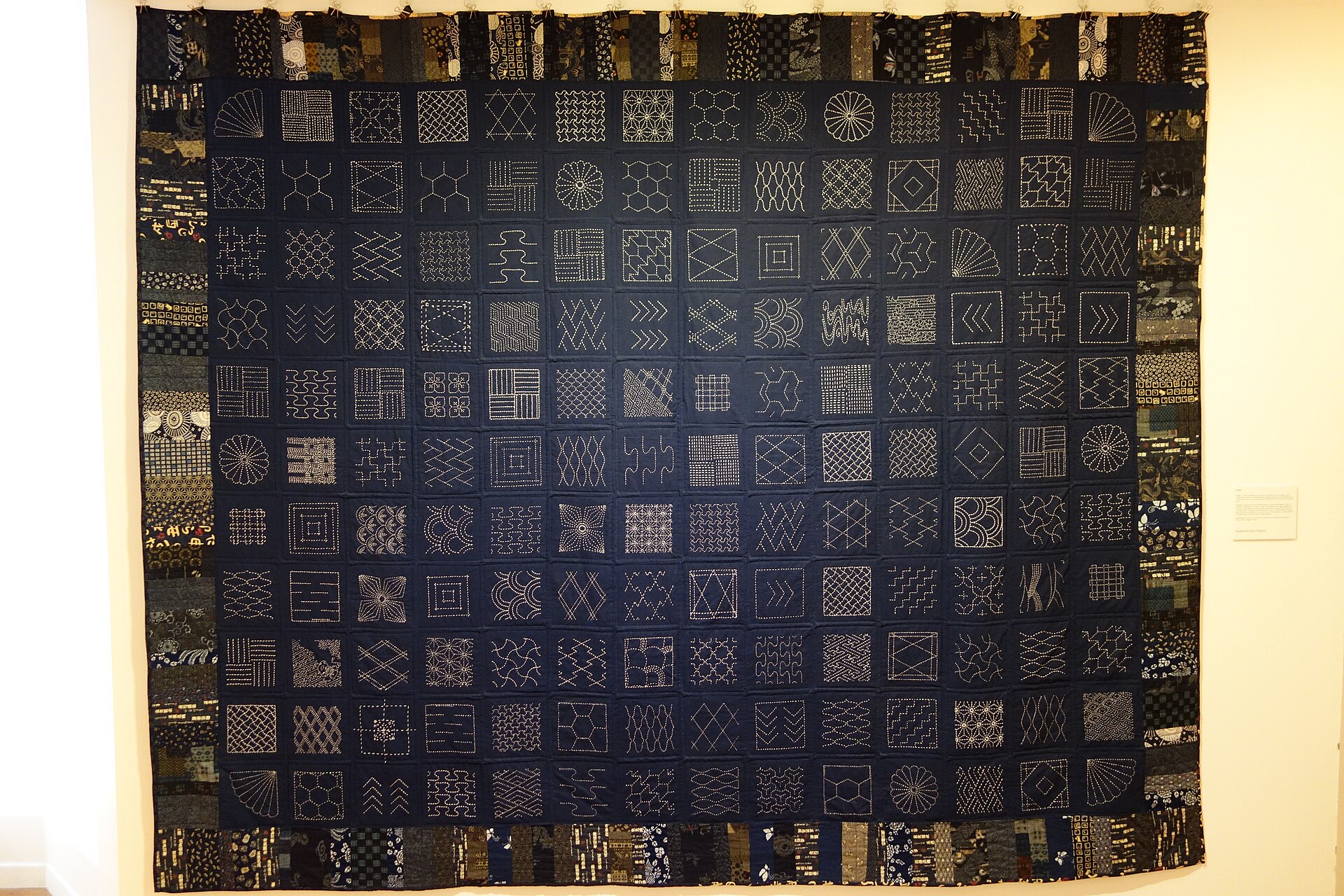
Kugurizashi: threaded sashiko
Kugurizashi adds a contrasting woven layer to a finished hitomezashi grid. Here's what it is, how it's worked, and how it differs from hitomezashi, moyozashi, and kogin.
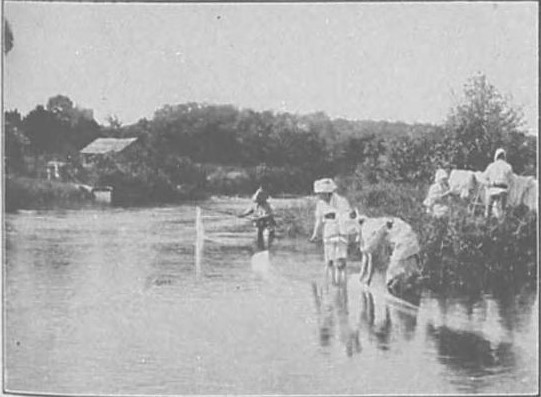
Sarashi: sashiko's traditional cotton
What sarashi is, why it matters for sashiko, how much to buy, and which substitutes work when you cannot find the real cloth.
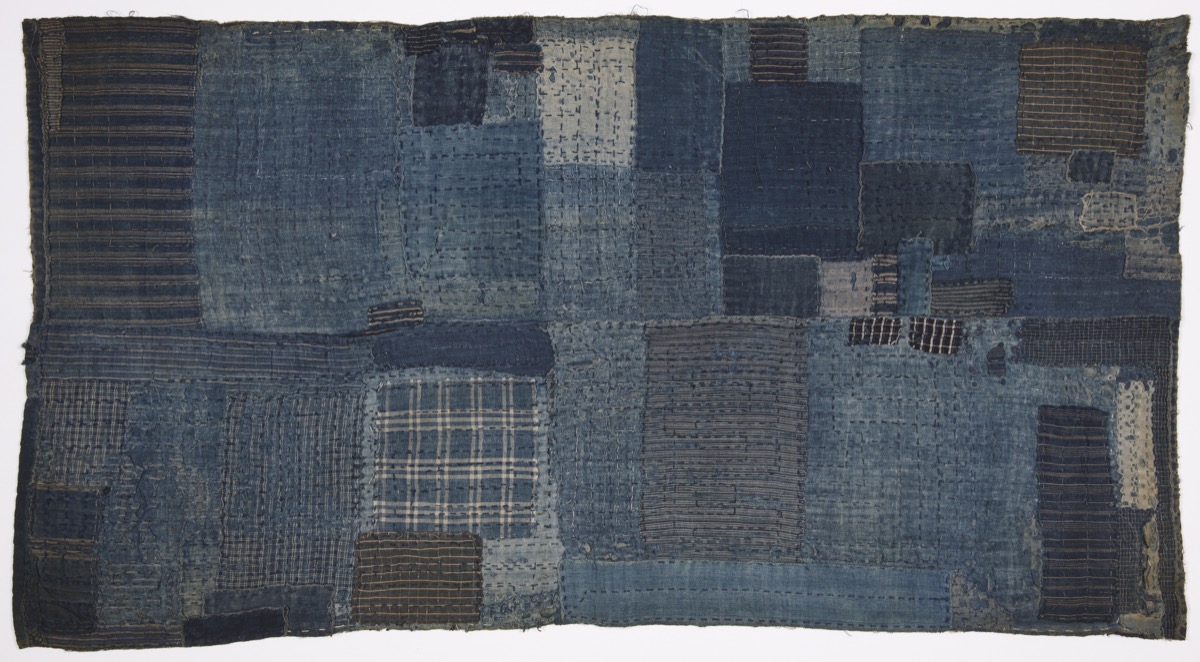
A short history of sashiko
Where sashiko came from — its Edo-period origins in northern Japan, the boro mending tradition, the rules that shaped it, and how a practical running stitch became a beloved craft.
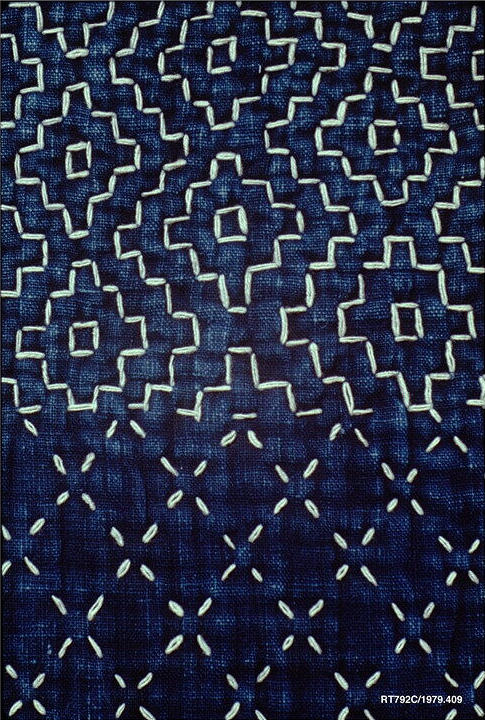
Hitomezashi: one-stitch sashiko
Hitomezashi, or one-stitch sashiko, builds dense geometric patterns from single running stitches on a grid. Here's what it is, where it came from, how it's worked, and how it differs from moyozashi and kogin.
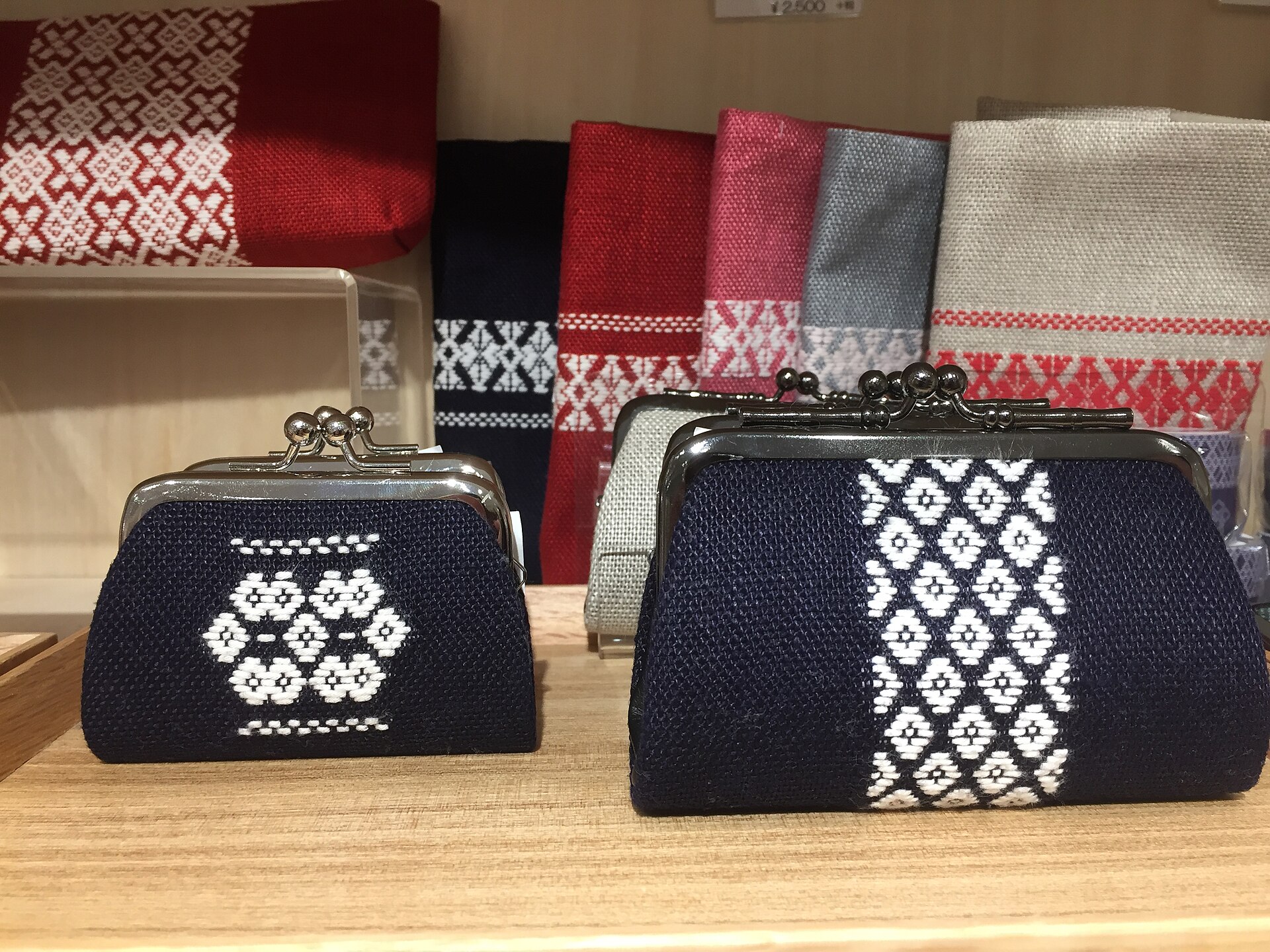
Kogin: counted-thread sashiko
Kogin (kogin-zashi) is the counted-thread sashiko of northern Japan, known for white diamond patterns on indigo. Here's what it is, where it came from, how it's worked, and how it differs from moyozashi and hitomezashi.
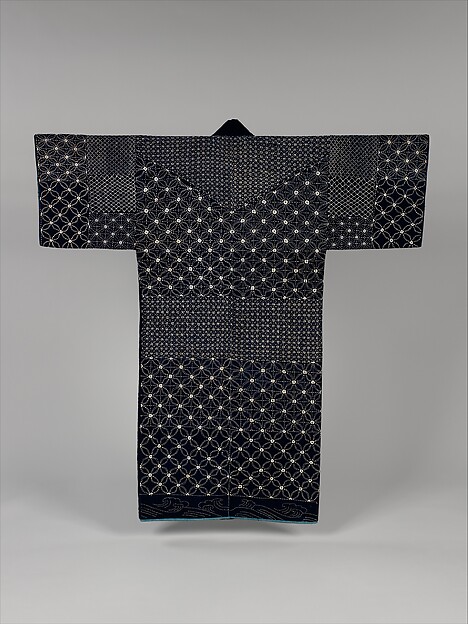
Moyozashi: pattern sashiko
Moyozashi, or pattern sashiko, is the flowing running-stitch style behind most geometric sashiko motifs. Here's what it is, where it came from, how it's stitched, and how it differs from hitomezashi and kogin.